What Changed Under California’s 2025 Energy Code?
California updates its Building Energy Efficiency Standards every three years. Although it is called the 2025 Energy Code, it applies to permit applications submitted on or after January 1, 2026. Projects submitted before that date may remain under the 2022 Energy Code, depending on their permit status and local jurisdiction.
For homeowners, architects, and contractors, the new code does not completely replace the previous compliance process. It updates the assumptions, equipment requirements, forms, and design standards used to prepare residential Title 24 documentation.
v When Does the 2025 Energy Code Apply?
The applicable code cycle is generally determined by the date the building-permit application is submitted. The 2025 Energy Code applies statewide to new construction, additions, and alterations submitted for permit on or after January 1, 2026.
| PERMIT SITUATION | CODE CYCLE | WHAT THE APPLICANT SHOULD CONFIRM | WHY IT MATTERS |
|---|---|---|---|
| APPLICATION SUBMITTED BEFORE JANUARY 1, 2026 | 2022 Energy Code | Permit status and jurisdiction rules | Existing forms and software may remain applicable |
| APPLICATION SUBMITTED ON OR AFTER JANUARY 1, 2026 | 2025 Energy Code | Date accepted by the building department | New requirements and forms apply |
| PLANS REVISED AFTER SUBMISSION | Depends on permit status | Whether the revision changes the applicable code | Major revisions may require updated calculations |
| EXPIRED OR RESUBMITTED PERMIT | May require the newer code | Local building-department policy | A new Title 24 report may be needed |
Before ordering a report, provide the expected permit-submittal date and the city or county reviewing the project.
Greater Use of Heat Pumps
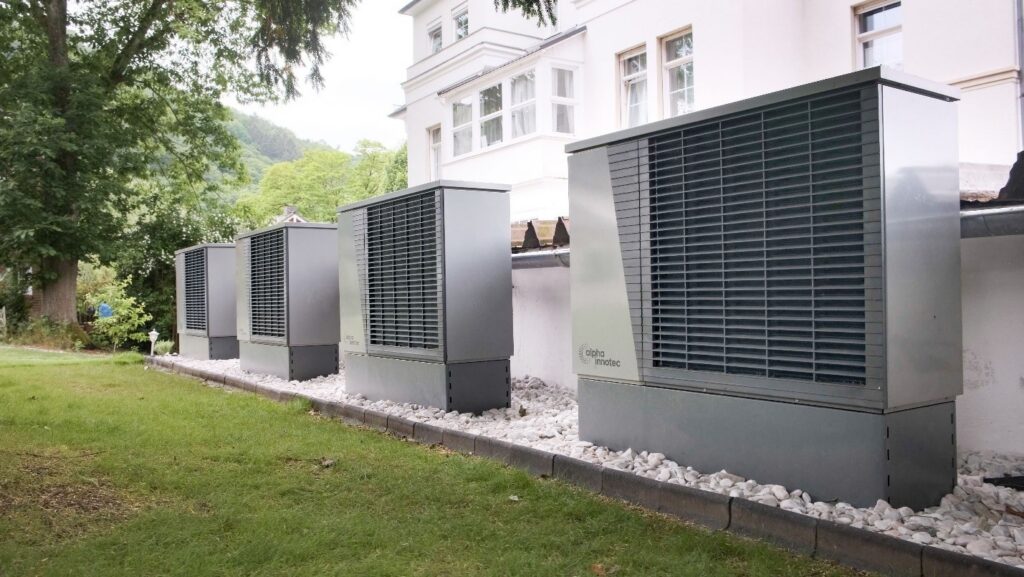
One of the most visible changes is the stronger emphasis on heat pumps for space heating and water heating. Under the prescriptive approach for newly constructed single-family homes, heat pumps are now the standard space-conditioning system in all California climate zones. A gas furnace may still be considered through the performance-compliance method, but it is not the prescriptive baseline.
| SYSTEM AREA | 2025 DIRECTION | POSSIBLE DESIGN IMPACT | WHAT OWNERS SHOULD EXPECT |
|---|---|---|---|
| SPACE HEATING | Greater reliance on heat pumps | HVAC selection may change | Earlier equipment coordination |
| COOLING | Integrated heat-pump systems | Heating and cooling may use one system | Fewer separate appliances |
| WATER HEATING | Expanded heat-pump water-heater provisions | Space and ventilation must be considered | Larger equipment-planning role |
| ALTERNATIVE FUEL SYSTEMS | Often require performance modeling | Additional analysis may be needed | Prescriptive compliance may not be available |
Expanded Electric-Ready Requirements
A newly constructed home may still use natural gas or propane appliances, but the 2025 Energy Code includes electric-ready provisions when fuel-burning equipment is installed for space heating, water heating, cooking, or clothes drying. These provisions are intended to make a future conversion to electric equipment easier.
| APPLIANCE OR SYSTEM | ELECTRIC-READY PROVISION MAY INCLUDE | TYPICAL PLAN COORDINATION | FUTURE BENEFIT |
|---|---|---|---|
| GAS FURNACE | Electrical capacity and pathway | Electrical panel and HVAC plans | Easier heat-pump conversion |
| GAS WATER HEATER | Dedicated electrical provisions | Plumbing and electrical plans | Easier electric replacement |
| GAS COOKING APPLIANCE | Circuit and outlet planning | Kitchen electrical layout | Easier induction-range installation |
| GAS CLOTHES DRYER | Electrical connection capacity | Laundry-room plans | Easier electric-dryer conversion |
For homeowners, this does not necessarily mean every appliance must be electric immediately. It means the home may need to be designed so that electric equipment can be installed later without extensive electrical reconstruction.
New Forms, Software and Verification Process
The 2025 code cycle uses updated compliance forms and approved 2025 software. Permit applications subject to the performance approach must use software approved specifically for the 2025 Energy Code.
| COMPLIANCE ITEM | WHAT CHANGED | WHO IS AFFECTED | PRACTICAL RESULT |
|---|---|---|---|
| CF1R FORMS | Updated for the 2025 code | Energy consultants and designers | New report format |
| COMPLIANCE SOFTWARE | 2025-approved versions required | Documentation authors | Older software cannot be used |
| FIELD VERIFICATION | Managed through approved ECC providers when required | Contractors and raters | Registered verification documents |
| LOW-RISE MULTIFAMILY FORMS | New LMCC, LMCI and LMCV form families | Multifamily project teams | Different forms from single-family projects |
A report prepared using the wrong code cycle or outdated software may be rejected even when the building design itself appears compliant.
What Does This Mean for Your Project?
The most important practical change is the need for earlier coordination. HVAC type, water-heating equipment, electrical capacity, ventilation, and fuel choice can no longer be treated as details to be decided after the energy report is complete.
A well-prepared plan set should clearly identify the proposed systems so the Title 24 consultant can apply the correct 2025 requirements and avoid assumptions that later conflict with construction.
Need a 2025 Title 24 Report?
Send us your plans, project address, scope of work, and expected permit-submittal date. We will confirm the applicable code cycle and identify any additional information needed to prepare the CF1R report.
No upfront payment is required. You can review the draft before payment.